

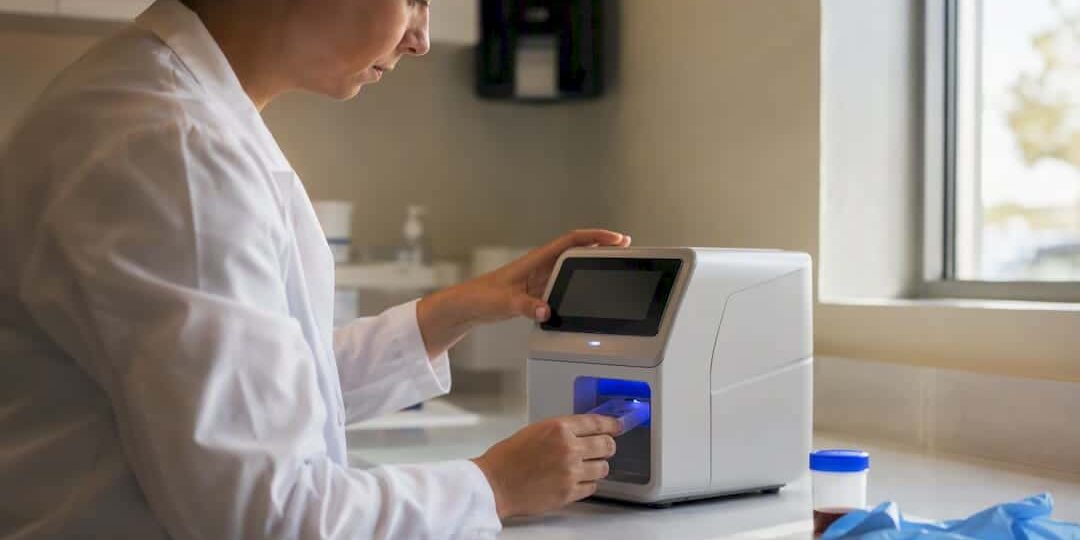
Yes. Most urgent care clinics run common bloodwork and diagnostic tests the same day you walk in, without a primary care referral. The most frequent tests include a complete blood count (CBC), basic or comprehensive metabolic panel (BMP/CMP), glucose or A1C, lipid panel, urinalysis, rapid strep, flu, or COVID tests, and blood-based STD screening.
Some of these results come back before you leave the building. Others get sent to an outside lab and take longer. If you’re having chest pain, trouble breathing, or sudden neurological symptoms, skip urgent care and go straight to the emergency room.
- CBC and metabolic panels — check blood cells, kidney and liver function
- Glucose, A1C, lipid panel — screen for diabetes and cholesterol issues
- Urinalysis and rapid infectious tests — same-visit results for UTIs, strep, flu, COVID
- STD blood tests — HIV, syphilis, hepatitis screening
A significant portion of urgent care visits include at least one lab test, and a majority of those tests are performed in-house rather than sent elsewhere.
Key Takeaways
Urgent care clinics run the most common blood and diagnostic tests same-day for acute concerns, while more complex or specialized tests get sent to outside labs within one to three business days.
| Point | Details |
|---|---|
| Common tests are same-day | CBC, glucose, urinalysis, and rapid strep/flu/COVID tests usually return results before you leave. |
| Send-out tests take longer | Lipid panels, A1C, and many STD serologies typically take 1 to 3 business days through a reference lab. |
| Billing has three parts | Expect a visit fee, lab draw fee, and possibly a separate send-out charge from the reference lab. |
| Urgent care fits acute needs | Choose urgent care for same-day rule-outs and STI testing, but use primary care for chronic disease tracking. |
| Your Family Walk-In Clinic offers both models | The clinic runs in-house and send-out testing seven days a week with same-day appointments in Lutz. |
Table of Contents
- What Lab Tests Does Urgent Care Offer, and What Do They Check?
- On-Site Testing vs. Send-Out Labs: Why Some Results Take Longer
- How Much Do Urgent Care Lab Tests Cost?
- Urgent Care, Primary Care, or the ER: Where Should You Go for Testing?
- What to Expect When You Get Bloodwork at Urgent Care
- What Urgent Care Labs Can’t Do, and How to Keep Your Care Connected
- How Your Family Walk-In Clinic Handles Lab Testing
- Book Same-Day Lab Testing at Your Family Walk-In Clinic
- Sources
- FAQ
What Lab Tests Does Urgent Care Offer, and What Do They Check?
Urgent care providers order tests based on your symptoms, not a preset menu. Here’s what each common test actually looks for, according to clinical guidance on urgent care laboratory testing:
- CBC (complete blood count): Flags infection, anemia, or blood disorders through white cell, red cell, and platelet counts.
- BMP/CMP (basic or comprehensive metabolic panel): Checks kidney function, electrolytes, blood sugar, and (in the comprehensive version) liver enzymes.
- Lipid panel: Measures cholesterol and triglycerides for cardiovascular risk.
- Fasting glucose/A1C: Screens for or monitors diabetes.
- Urinalysis: Detects urinary tract infections, kidney issues, or dehydration.
- Pregnancy hCG: Confirms pregnancy through blood or urine.
- Rapid antigen tests: Strep, flu, and COVID results in minutes.
- Basic STD panel: HIV, syphilis, and hepatitis screening via blood draw.
A sore throat with fever often triggers a rapid strep swab. Frequent urination and fatigue point toward glucose testing. Painful urination usually means a urinalysis, sometimes paired with an STD panel if symptoms suggest it.
On-Site Testing vs. Send-Out Labs: Why Some Results Take Longer
Point-of-care (POC) testing happens in the clinic using compact analyzers, and results land in 15 to 60 minutes. Send-out testing means your sample travels to a reference laboratory, with results typically back in one to three business days, according to turnaround-time data from CityHealth.
The distinction matters beyond speed. Rapid antigen tests, the kind used for flu or COVID, detect viral proteins quickly but require a higher viral load than molecular (PCR) tests to register positive. That’s why the EBMedicine urgent care testing guide notes confirmatory molecular testing is sometimes warranted when symptoms strongly suggest infection but the antigen test comes back negative.
Here’s a rough breakdown of what’s usually same-visit versus sent out:
- Same-visit (POC): Rapid strep, flu, COVID/RSV, fingerstick glucose, urinalysis, pregnancy tests.
- Commonly sent out: Lipid panels, A1C, comprehensive STD serologies, and specialized chemistry tests.
- Depends on the clinic: CBC and basic metabolic panels, since not every clinic maintains the same in-house analyzers.
Which analyzers a clinic keeps on hand, and how often its courier runs to a reference lab, shapes real-world turnaround more than the test itself does.
How Much Do Urgent Care Lab Tests Cost?
Your bill typically stacks three components: a visit fee, a lab draw or processing fee, and, if your sample goes to a reference lab, a separate send-out charge. According to billing breakdowns from VitalsVault, that third charge is where most surprise bills originate, since the reference lab may bill separately from the clinic itself.
Network status drives a lot of the variation. A clinic can be in-network with your insurance while the reference lab it uses is not, generating an unexpected balance weeks later.
- Call ahead and ask if the clinic is in-network with your specific plan
- Ask whether the test will run in-house or get sent out, since that affects both cost and timing
- Request self-pay or bundled pricing if you’re uninsured
- Bring your insurance card and photo ID to avoid registration delays
Pro Tip: Ask the front desk which reference lab they use before your blood draw, then check that lab’s network status with your insurer separately from the clinic’s. It takes two minutes and can save you a billing headache later.
Urgent Care, Primary Care, or the ER: Where Should You Go for Testing?
Urgent care fits best for acute, same-day questions: a possible UTI, a same-day STI screen, a rule-out for strep or flu, or a quick metabolic check when something feels off but isn’t severe. It functions as the fast middle option between a scheduled primary care visit and an emergency room trip, built for rapid answers rather than long-term tracking.
Primary care wins when you need trend data over time, preventive screening panels, or ongoing management of a chronic condition like diabetes or high blood pressure.
Go to the emergency room instead if you have:
- Chest pain or pressure
- Severe shortness of breath
- Sudden confusion, slurred speech, or weakness on one side
- Uncontrolled bleeding or a suspected stroke
What to Expect When You Get Bloodwork at Urgent Care
Getting labs done at a walk-in clinic follows a predictable rhythm, whether you show up unannounced or book a same-day slot online.
- Check in. Bring photo ID and your insurance card. Some clinics offer online check-in to cut wait time.
- See the provider first. Labs get ordered after a clinical exam, not before, since a provider needs to match the test to your symptoms.
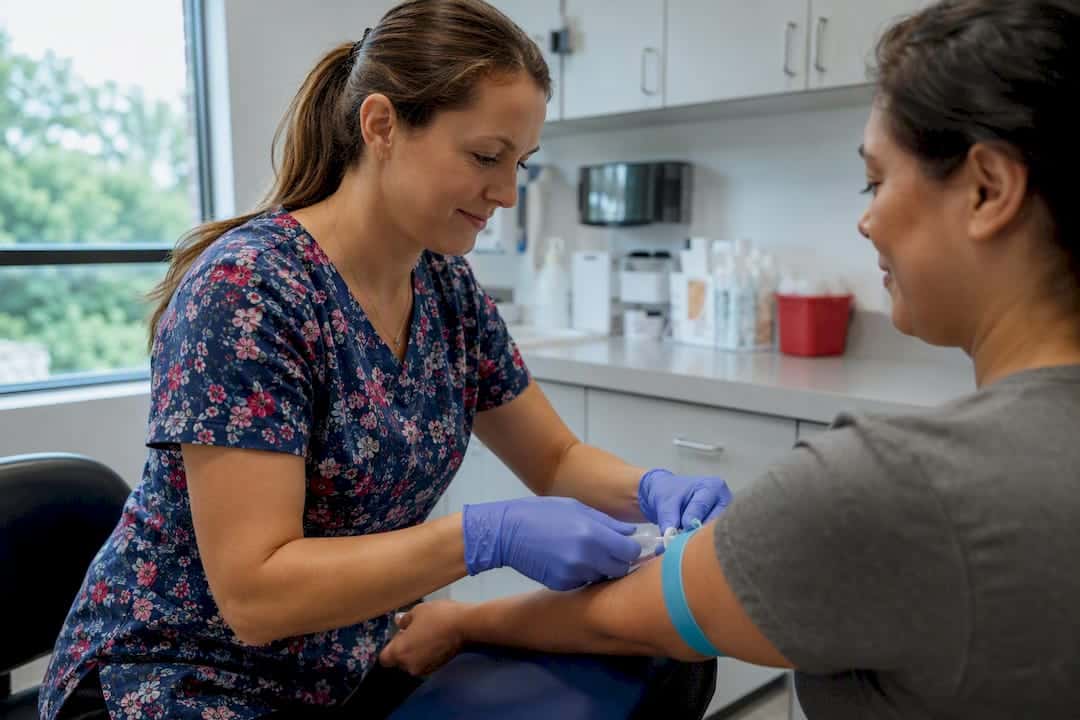
- Give your sample. A blood draw or urine sample takes a few minutes. Ask beforehand if your test requires fasting. Fasting lipid panels and glucose tests usually need 8 to 12 hours without food.
- Get your results. POC results often come back before you leave. Send-out results typically arrive through a patient portal, a phone call, or a follow-up visit within one to three business days.
Pro Tip: If you know you need a fasting glucose or lipid panel, call the clinic the morning of your visit to confirm fasting instructions still apply. Some providers waive fasting requirements depending on what else they’re checking.
What Urgent Care Labs Can’t Do, and How to Keep Your Care Connected
Urgent care testing is built to rule things in or out fast, not to build a longitudinal health picture. Don’t expect advanced biomarkers like ApoB, Lp(a), fasting insulin, or comprehensive hormone panels. Those belong to preventive screening programs built for ongoing monitoring, not single-visit diagnostics.
Because urgent care visits are often one-off encounters, results can end up disconnected from your regular medical record.
- Ask for a printed or portal copy of every result before you leave
- Request that results get faxed or electronically sent to your primary care provider
- If a result comes back abnormal, call the clinic or your PCP promptly instead of waiting for your next scheduled visit
- Ask directly whether a referral is warranted based on what turned up
How Your Family Walk-In Clinic Handles Lab Testing
Your Family Walk-In Clinic runs both in-house point-of-care testing and send-out labs, so patients get rapid results when possible and clear timelines when a sample has to travel. It is open seven days a week from 8 AM to 8 PM and offers same-day appointments for common bloodwork, STD screening, and urgent evaluations.

One recurring pattern: a patient comes in for fatigue and gets a same-visit glucose check, then a send-out A1C confirms a diabetes diagnosis days later, with results relayed back to their primary care provider for ongoing management. That handoff between quick answers and continuity of care is the point.
Book Same-Day Lab Testing at Your Family Walk-In Clinic
If you’ve read this far because you need bloodwork or a rapid test soon, you don’t have to wait for a primary care opening that’s weeks out. Your Family Walk-In Clinic in Lutz gives you same-day access to CBC, metabolic panels, glucose checks, rapid infectious testing, and STD screening, seven days a week, without the scheduling bottleneck a traditional practice often creates.
The clinic accepts major insurance plans and Medicaid, and offers self-pay pricing if you’re uninsured or want to skip the network question entirely. Staff can tell you upfront which tests run in-house and which get sent out, so you know your timeline before you sit down for a draw.
Ready to get tested? Book a same-day urgent care visit or check current hours before you head in.
Sources
- Laboratory Testing in Urgent Care: Best Practices for Choosing and Interpreting Respiratory and Genitourinary Tests (EBMedicine)
- Diagnostic Lab Test Utilization in Urgent Care (Journal of Urgent Care Medicine)
- Does urgent care do blood work? Tests, Turnaround, and What to Expect (CityHealth)
- Urgent care that does blood work: costs, limits, turnaround (VitalsVault)
This article is general information, not a substitute for advice from a qualified doctor. Consult a qualified healthcare professional about your own circumstances before acting on anything here.
FAQ
What labs can urgent care run?
Most urgent care clinics run CBC, metabolic panels, lipid panels, glucose and A1C tests, urinalysis, rapid strep/flu/COVID tests, and blood-based STD screening for HIV, syphilis, and hepatitis.
How do I get bloodwork done at urgent care?
Walk in or book a same-day slot, bring ID and insurance, and a provider evaluates your symptoms before ordering the appropriate test, since labs aren’t ordered without an exam first.
Should I go to urgent care for bloodwork?
Urgent care works well for acute symptoms, same-day rule-outs, or STI screening, but if you need ongoing trend tracking or preventive panels, primary care is the better fit.
Can I request a blood test without seeing a doctor?
No. Providers at urgent care clinics, including Your Family Walk-In Clinic, evaluate you clinically first and order labs based on that assessment rather than taking test requests directly.
Recommended
- Comprehensive and Immediate Healthcare at Your Family Walk In Clinic – Your Local Urgent Care Clinic
- Urgent Care 7 Days a Week – Your Family Walk In Clinic
- Rapid Covid 19 Test is Available at Your Family Walk in Clinic in Lutz – Your Family Walk In Clinic
- Tour Our Clinic – Your Family Walk In Clinic