

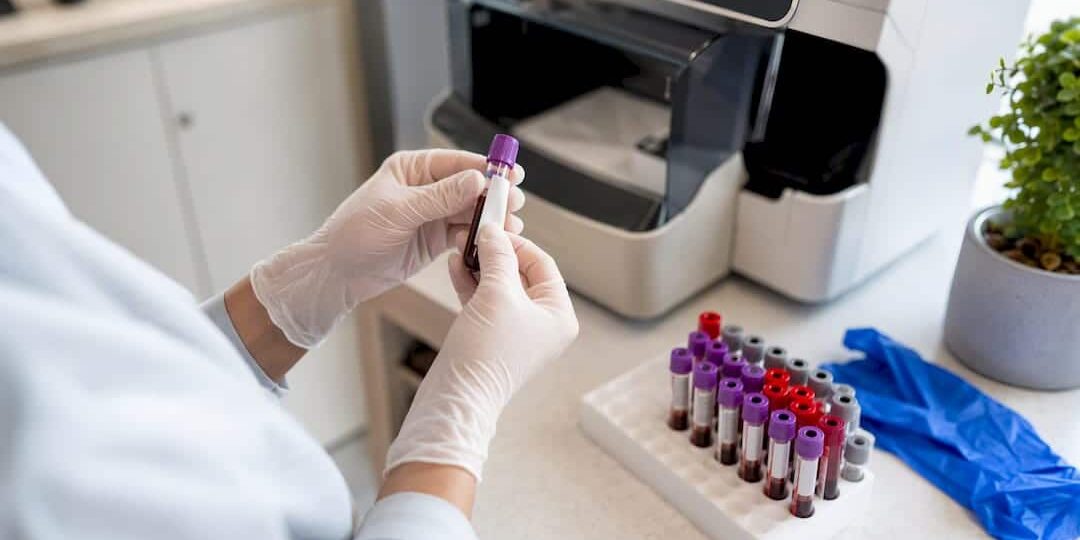
The A1C test is a blood test that reports the percentage of your hemoglobin coated in glucose, giving your doctor a picture of your average blood sugar over the past two to three months. Doctors use it two ways: to screen for and diagnose prediabetes or type 2 diabetes, and to track how well diabetes treatment is working over time. You don’t need to fast for it, and results come back as a simple percentage your provider will interpret alongside your health history.
TL;DR:
- Most adults with risk factors should be tested annually for A1C, with more frequent screening for those with abnormal or borderline results.
- A1C testing remains reliable when performed at NGSP-certified laboratories, especially for diagnosis, but blood disorders and pregnancy can reduce its accuracy.
- Lowering A1C typically takes several months of lifestyle adjustments and medication, with a consistent drop of 0.5 to 1 percentage points indicating meaningful improvement.
- Confirmatory testing is necessary after an elevated A1C, and results are more dependable when repeated or paired with other diagnostic methods.
- Same-day, walk-in A1C testing is available at clinics for immediate results and follow-up, especially for borderline or uncertain readings.
Table of Contents
- What Does A1C Measure, and Why Does It Reflect Average Blood Sugar?
- How Is the A1C Test Performed?
- How Do You Read A1C Results, Ranges, and eAG?
- Diagnosis vs. Monitoring: When Are Tests Repeated?
- What Can Make an A1C Result Inaccurate?
- How Often Should You Get Tested, and What Happens After an Abnormal Result?
- Can You Lower Your A1C, and How Fast Does It Change?
- Why This Test Deserves More Attention Than It Gets
- Get Your A1C Checked Without the Wait
- Sources
- FAQ
What Does A1C Measure, and Why Does It Reflect Average Blood Sugar?
Glucose in your bloodstream attaches to hemoglobin, the protein in red blood cells that carries oxygen. The more glucose circulating in your blood, the more of it sticks to hemoglobin over time. The A1C test measures what percentage of your hemoglobin is glycated this way, and because red blood cells live for roughly three months before your body replaces them, that percentage becomes a rolling record of your average blood glucose over the preceding two to three months.
That window isn’t evenly weighted, though. The most recent 30 days carry more influence on the result than the earlier months, which is why a few weeks of tighter control can nudge your number even before the full three months pass.
This is different from what a home glucose meter or continuous glucose monitor (CGM) shows you.
- A1C: a long-term average, drawn once at a lab or clinic
- Home blood glucose monitoring (SMBG): a real-time snapshot at the moment you test
- CGM: continuous real-time readings throughout the day and night
- Alternate names you’ll see for the same test: HbA1c, glycated hemoglobin, glycohemoglobin
Think of A1C as your trend line and daily glucose checks as individual data points on that line. Both matter, but they answer different questions and clinicians typically use them together rather than picking one over the other.
How Is the A1C Test Performed?
Getting an A1C test is straightforward, and there’s very little for you to prepare.
- Sample collection. For a diagnostic result, your provider draws blood from a vein, which is the gold standard because it goes to a lab using validated, standardized methods. Some clinics also offer a finger-stick point-of-care version for quick monitoring checks, though diagnostic decisions should rely on venous samples tested through NGSP-certified lab methods, with finger-stick results confirmed before anyone acts on them for diagnosis.
- No fasting needed. Unlike a fasting glucose test, A1C doesn’t require you to skip breakfast or avoid food and drink beforehand. If your visit also includes a lipid panel or fasting glucose, your provider may still ask you to fast for those.
- Getting results. Lab-processed samples typically return results within a day or two, while point-of-care versions can give you a number before you leave the office. Your provider reviews the result against your history and schedules follow-up testing if anything looks abnormal or borderline.
How Do You Read A1C Results, Ranges, and eAG?
An A1C result sorts into one of three categories, and the cutoffs are specific enough to memorize.
- Normal: below 5.7%
- Prediabetes: 5.7% to 6.4%
- Diabetes: 6.5% or higher, typically confirmed on a repeat test or with another diagnostic method
These are the cutoffs used across major diagnostic guidance, and for adults already diagnosed with diabetes, many providers set an individualized treatment target around 7% or lower, adjusted for age, other health conditions, and risk of low blood sugar.
Labs also convert A1C into estimated average glucose (eAG), a number expressed in mg/dL that maps more intuitively to the readings you see on a home glucose meter. The rough formula is eAG (mg/dL) = (28.7 × A1C%) − 46.7. In practical terms:
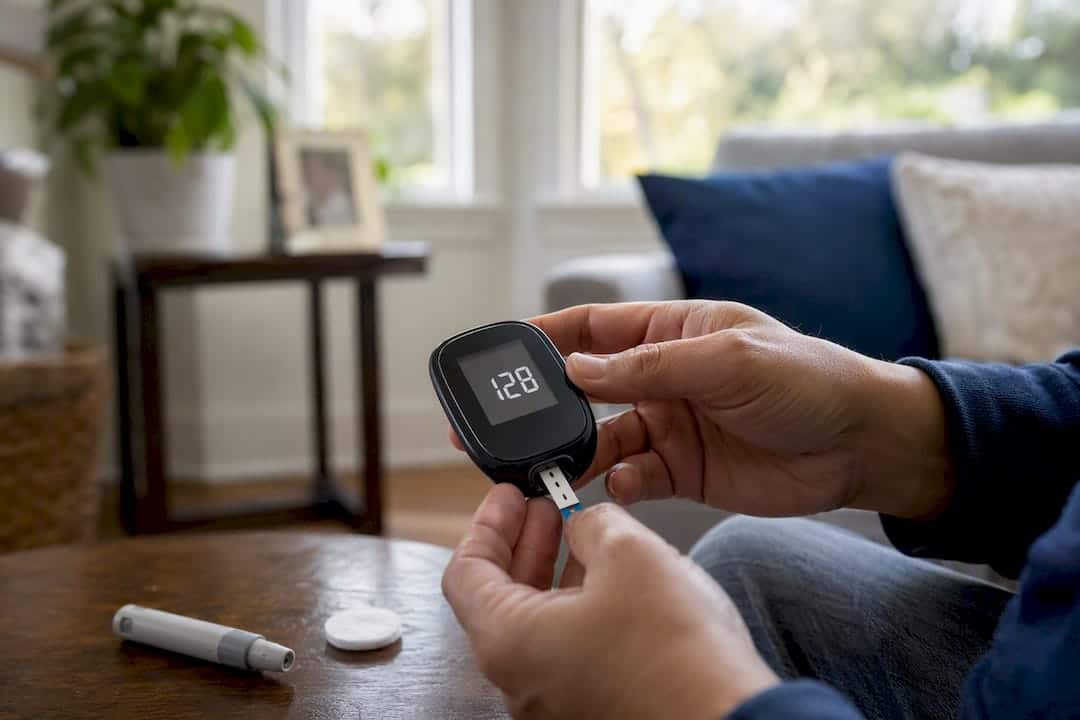
An A1C of 7% corresponds to an average glucose of roughly 154 mg/dL over the prior few months, which is often the clearest way to explain the number to someone used to thinking in mg/dL rather than percentages.
Diagnosis vs. Monitoring: When Are Tests Repeated?
A1C wears two hats, and it’s worth understanding which one is in play when you get a result.
For diagnosis, a single elevated reading rarely stands alone. Providers typically confirm an abnormal A1C with a repeat test or an alternate method like fasting plasma glucose or an oral glucose tolerance test before making a diabetes diagnosis, because individual variation and lab conditions can occasionally skew a single measurement.
Lab standardization also matters more than most patients realize. The National Glycohemoglobin Standardization Program (NGSP) certifies the methods labs use so an A1C run in one facility means the same thing as one run across town. This is part of why a diagnostic result should come from an NGSP-certified lab rather than a point-of-care device alone.
For monitoring, the cadence shifts:
- Once a year for people with prediabetes
- At least twice a year for people with stable, well-controlled diabetes not on insulin
- Every three months for anyone whose therapy just changed or whose control is poor
That testing frequency guidance gives your provider enough data to adjust treatment before small problems become bigger ones.
What Can Make an A1C Result Inaccurate?
A1C is reliable for most people, but several conditions can throw the number off in either direction, and it’s worth knowing them before you assume a result tells the whole story.
- Severe anemia or recent blood transfusion
- Hemoglobin variants, including sickle cell trait and thalassemia
- Advanced kidney disease or liver disease
- Pregnancy
- Certain medications that affect red blood cell turnover
Any of these conditions can distort the glycation percentage independent of your actual average blood sugar, since they change how long red blood cells circulate or interfere with the lab assay itself. When a hemoglobin variant is suspected, labs can switch to alternative testing methods such as HPLC variants or boronate affinity assays, or your provider may rely on fasting glucose or an oral glucose tolerance test instead.
Pro Tip: If you have a known blood disorder or you’re pregnant, tell your provider before your A1C test. It changes how the result should be interpreted, and it may prompt an alternative test altogether.

How Often Should You Get Tested, and What Happens After an Abnormal Result?
Screening intervals depend on your risk profile, and follow-up after an abnormal result follows a fairly predictable path.
- Screening. Adults with risk factors for type 2 diabetes, such as excess weight, a family history, or prior gestational diabetes, are generally screened periodically starting around age 35, per current diabetes screening age guidance, with earlier or more frequent testing if risk factors are present.
- Monitoring. Once diagnosed, testing frequency follows the same cadence outlined earlier: twice yearly if stable, quarterly if therapy is changing.
- After an abnormal result. Your provider typically confirms the finding with a repeat test, reviews current medications, checks for conditions that might distort the result, and sets an individualized target moving forward.
A routine screening schedule built around your specific risk factors catches these changes earlier than waiting for symptoms to appear.
Can You Lower Your A1C, and How Fast Does It Change?
Yes, and the strategies that move A1C are the same ones your provider will likely recommend first.
- Moderate daily activity, even a 20 to 30 minute walk, improves insulin sensitivity over weeks
- Portion control and consistent carbohydrate timing rather than strict elimination diets
- Structured weight loss programs when appropriate for your situation
- Home glucose monitoring or a CGM to see which specific habits move your numbers day to day
Because A1C reflects roughly three months of activity, don’t expect an overnight change. A meaningful, clinically noticeable drop is often in the range of 0.5 to 1.0 percentage points, and a change of that size is generally considered significant and linked to a lower risk of complications. Medication adjustments or insulin may be necessary alongside lifestyle changes, and that decision should always happen with your clinician rather than on your own. Choosing snacks that don’t spike blood sugar, like the options outlined in this practical snack guide, is a small, sustainable place to start.
Pro Tip: Pair your next A1C test with two weeks of home glucose logs beforehand. It gives your provider real data to explain why the number landed where it did, instead of guessing after the fact.
Why This Test Deserves More Attention Than It Gets
Most people treat A1C as a pass/fail number, and that’s the biggest misunderstanding I see. It’s a trend line, not a verdict, and it’s shaped by biology that has nothing to do with diet or willpower, including hemoglobin variants and kidney function that can quietly distort a result in either direction. What gets underestimated is how often a single abnormal number should prompt a conversation about confirmation testing, not immediate alarm. At Your Family Walk-In Clinic, our providers bring more than 25 years of combined family medicine experience to exactly these conversations, with same-day A1C testing and screening available seven days a week. If your number came back borderline, that’s a reason to talk it through, not to panic.
— Lisa
Get Your A1C Checked Without the Wait
A borderline or unclear A1C result deserves a same-day conversation, not a two-week wait for the next open slot. Your Family Walk-In Clinic offers walk-in A1C testing and same-day appointments seven days a week, from 8 AM to 8 PM, so you get answers and a follow-up plan without rearranging your whole schedule.

Whether you need a first-time screening, a confirmation test after a borderline result, or ongoing monitoring as part of diabetes management, our team accepts major insurance plans, Medicaid, and self-pay, and can usually get you seen the same day you call. Bring your insurance card and a current medication list, and expect a visit that covers the blood draw, a review of your results, and a clear plan for what comes next. If you’re due for a check or you’ve been putting one off, book a same-day urgent care visit or explore ongoing primary care for diabetes management to get started.
This article is general information, not a substitute for advice from a qualified doctor. Consult a qualified healthcare professional about your own circumstances before acting on anything here.
Sources
- A1C test
- A1C Test for Diabetes and Prediabetes
- Hemoglobin A1C (HbA1c) Test – MedlinePlus
- A1C test – Mayo Clinic
FAQ
What Is an Alarming A1C Number?
An A1C of 6.5% or higher meets the diagnostic threshold for diabetes, and anything above 9% generally signals poor control that needs prompt medical attention rather than a wait-and-see approach.
What Is the Fastest Way to Lower A1C Levels?
There’s no instant fix since A1C reflects roughly three months of average glucose, but combining regular activity, portion-controlled eating, and any medication adjustments your provider recommends tends to produce the fastest, safest improvement.
Does Drinking Water Lower A1C?
Staying hydrated supports normal kidney function and can help prevent temporary glucose concentration from dehydration, but water alone doesn’t meaningfully lower A1C over the test’s multi-month window.
What Can Throw Off an A1C Test?
Conditions like severe anemia, recent blood transfusion, hemoglobin variants, kidney or liver disease, and pregnancy can all skew A1C results in either direction, which is why unusual results sometimes call for alternative testing.