


Florida law lets minors age 13 and older request and consent to short-term outpatient crisis counseling on their own, capped at two visits in any one-week period before a parent or guardian must consent to further care. Beyond that window, ongoing therapy typically needs parental consent, and parents generally hold broad access to records as the minor’s personal representative under HIPAA. Exceptions apply for imminent threats, suspected abuse or neglect, and psychotherapy notes, which carry special protection even from parents.
TL;DR:
- A minor age 13 or older may consent to outpatient crisis counseling and related evaluation, but only for two visits in seven days.
- A parent’s record access depends on who consented to the specific service, and a parent who agreed to confidentiality may not automatically receive full records.
- Psychotherapy notes kept separate from the rest of the record are excluded from HIPAA’s mandatory access right, including for parents, though other rules may apply.
- Florida law permits disclosure for qualifying threats, and suspected abuse or neglect may trigger reporting duties; ask the provider about these limits at intake.
- Insurance statements may reveal that a minor received counseling, so families seeking billing privacy should ask about private pay before a claim is filed.
Table of Contents
- Who can consent: Florida law on minors and crisis outpatient services
- Confidentiality and privileged communications under Florida law
- How HIPAA and Florida law interact on parental access
- When confidentiality must give way: reporting duties and safety exceptions
- Practical steps for consent, billing, and records in Florida
- What families in Florida should keep in mind
- How our clinic supports Florida families through therapy and counseling
- FAQ
- Sources
Who can consent: Florida law on minors and crisis outpatient services
Florida Statute 394.4784 removes what the law calls the “disability of nonage” for minors 13 and older in a narrow situation: requesting and receiving outpatient crisis intervention services, including individual counseling or psychotherapy, without a parent’s or guardian’s signature. This is not a loophole for skipping parents altogether. It is a safety valve built for a teen who needs to talk to someone right away and cannot wait on a parent’s availability or agreement.
The consent covers diagnostic and evaluation services along with crisis counseling. Check the statute or ask a provider which services qualify.
- A minor 13 or older can request and consent to outpatient diagnostic, evaluation, and crisis counseling services on their own.
- This self-consent is limited to two visits within any seven-day period before a parent or guardian must be involved for continued treatment.
- Ask the provider whether they offer this option and when they would involve a parent or guardian.
Some clinics may involve a parent earlier, since family support can be helpful in ongoing care.
Confidentiality and privileged communications under Florida law
Once a minor is in therapy, whether through self-consent or parental consent, Florida’s licensing statutes treat what is said in session as confidential. Communications with a psychologist, clinical social worker, mental health counselor, or marriage and family therapist licensed under Chapters 490 or 491 are protected, and that protection does not simply dissolve because the patient is a minor.
The privilege may be waived in specific circumstances, including when:
- The patient signs a written waiver.
- The provider becomes a defendant in a complaint filed by the patient, and related records are relevant to the defense.
- Family members in joint therapy agree in writing to share information among themselves.
- The patient makes a specific threat of serious bodily injury or death to an identified person, under the conditions set out in Florida law.
Florida law provides for disclosure in response to a qualifying threat. Ask the provider how the statute applies to a particular situation.
Pro Tip: Ask your teen’s therapist at intake exactly which situations would trigger a break in confidentiality, so nobody is caught off guard later.
How HIPAA and Florida law interact on parental access
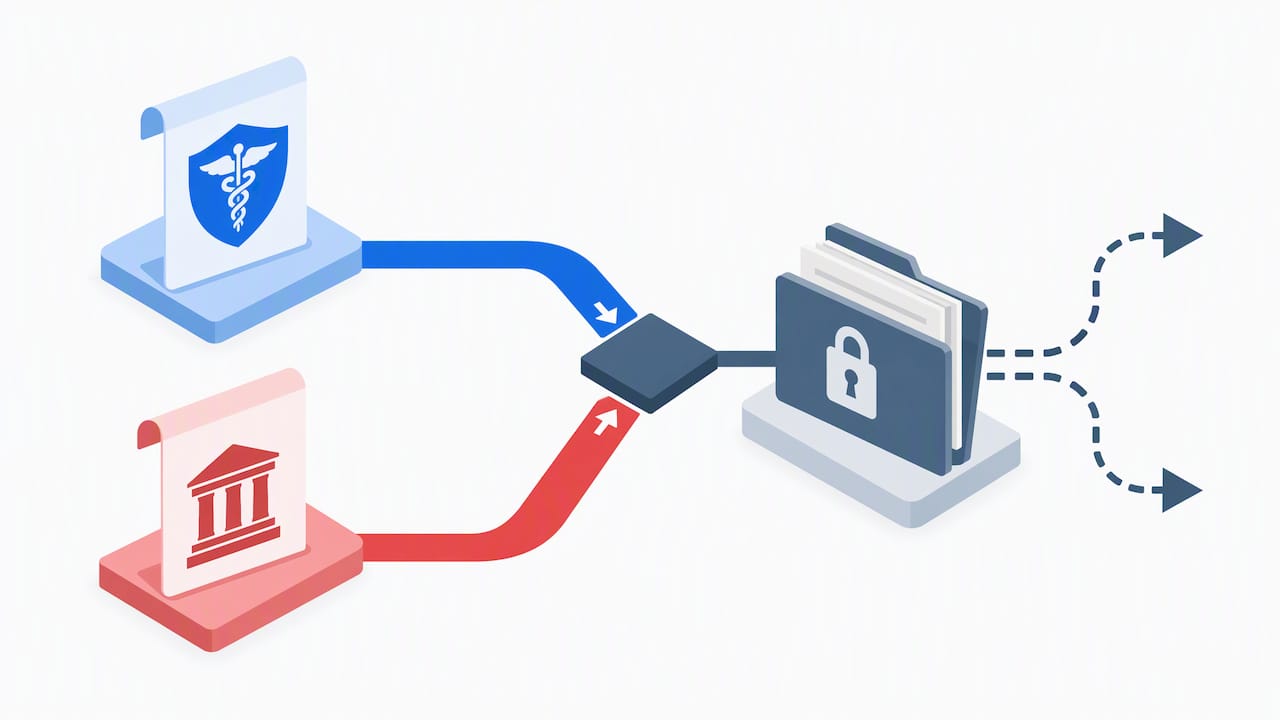
HIPAA generally treats a parent as a minor’s personal representative, but access depends on applicable state law and exceptions. Psychotherapy notes receive separate protection. But HIPAA explicitly defers to state law on this point, and Florida’s own consent rules create real exceptions.
A parent is generally not treated as the personal representative, and therefore does not automatically get full access, when:
- State law allows the minor to consent to the specific service on their own, as with qualifying crisis services under 394.4784.
- Someone other than the parent is authorized by law to consent on the minor’s behalf.
- A parent has agreed to a confidential relationship between the minor and the provider. Ask the provider how that agreement affects access to records.
Psychotherapy notes get even stronger protection. Under HHS guidance on 45 CFR 164.524, these notes, when a therapist keeps them separate from the rest of the record, are excluded from anyone’s mandatory right of access, parents included. The HIPAA right of access does not require a provider to disclose psychotherapy notes, though other rules may apply. Ask the provider about its disclosure practices.
When confidentiality must give way: reporting duties and safety exceptions
Confidentiality in Florida therapy is strong, but it was never meant to be absolute, and the law draws clear lines around patient safety.
- Florida law provides for disclosure in response to a qualifying threat. Ask the provider how the statute applies to a particular situation.
- If you suspect child abuse or neglect, contact the appropriate Florida authorities or a qualified professional promptly to clarify reporting requirements.
- HIPAA recognizes exceptions to parental access in some circumstances, including when access could endanger the minor. Ask the provider how the applicable rules affect your situation.
These exceptions exist to protect your teen, not to undermine the trust that makes therapy work in the first place. A good clinician explains them plainly before the first real session begins, so confidentiality never feels like a surprise rulebook.
Practical steps for consent, billing, and records in Florida
Here is what this looks like in practice for a family navigating the system for the first time.
- A teen who wants to talk to someone can contact a provider and ask whether they qualify to consent to crisis services without a parent present.
- Florida law allows eligible minors to consent to a limited number of qualifying outpatient crisis intervention visits; ask the provider about the statutory limit and what consent is needed for continued care.
- At intake, ask the provider directly what records a parent can see, whether psychotherapy notes are kept separately, and under what conditions confidentiality would be broken.
- Before billing is submitted, ask whether the practice offers a private-pay or confidential-communications option, since insurance documents may disclose that a minor received counseling.
Our New Client Counseling Packet lays out intake and confidentiality paperwork so families know what to expect before the first appointment, and our guide on therapy costs in Florida covers what a private-pay session typically runs when a family wants to keep billing details off an insurance statement.
Pro Tip: If keeping a visit off a parent’s insurance statement matters to your teen, ask about private-pay pricing before the appointment, not after the claim is filed.
What families in Florida should keep in mind
Confidentiality in adolescent therapy works best when it is explained clearly, not treated as a formality buried in paperwork. We have sat across from enough nervous teens and worried parents in Lutz to know that the honest conversation, who can hear what, and why, is usually what settles everyone down. The law’s exceptions exist for real safety reasons, not to shut parents out. If you are unsure how any of this applies to your family, call and ask us directly. We would rather answer the question before your teen’s first visit than after.
— Lisa
How our clinic supports Florida families through therapy and counseling
We offer in-person and virtual therapy and counseling for both children and teens, alongside the primary and urgent care services families already count on us for. Same-day appointments mean a teen in crisis does not have to wait days for a first conversation, and our online therapy for teens option gives families a private, lower-pressure way to start.

- Bring a photo ID and insurance information, or ask about private-pay pricing if confidentiality on billing matters to your family.
- Ask us directly about psychotherapy note practices, what a parent can access, and how our intake paperwork handles consent for minors.
- Call us or book online through our primary care page to set up a same-day visit or a virtual counseling session for your teen.
This article is general information, not a substitute for advice from a qualified doctor. Consult a qualified healthcare professional about your own circumstances before acting on anything here.
FAQ
Does patient confidentiality apply to minors in therapy?
Yes, confidentiality protections under Florida’s licensing statutes apply to minors in therapy the same as they apply to adults, with specific exceptions. Those exceptions include imminent threats to an identified person, suspected abuse or neglect, and situations where a family agrees in writing to share information in joint sessions.
Can a 16-year-old get therapy without parental consent in Florida?
A minor age 13 or older may qualify to request and consent to outpatient crisis services on their own, subject to the limits in Florida law. Continuing therapy may require a parent or guardian’s consent.
What are the HIPAA laws for minors in Florida?
HIPAA generally treats a parent as a minor’s personal representative with access to medical records, but it defers to state law when Florida grants the minor the right to consent to a specific service. Psychotherapy notes kept separately by a provider are excluded from mandatory disclosure to anyone, including parents.
Do minors have the right to confidentiality?
Minors in Florida have confidentiality rights in therapy, including for qualifying crisis services they can consent to themselves. Confidentiality has exceptions. Ask the provider how Florida law applies to threats, suspected abuse or neglect, and other circumstances.
Sources
For the full legal text and federal guidance behind this article, consult Florida Statute 394.4784, Florida’s confidentiality statutes under Chapters 490 and 491, and HHS guidance on HIPAA and psychotherapy notes. For case-specific questions, a licensed provider or attorney can address your family’s exact situation, and resources like Mindshift Hypnosis discuss how complementary approaches fit alongside traditional therapy.