

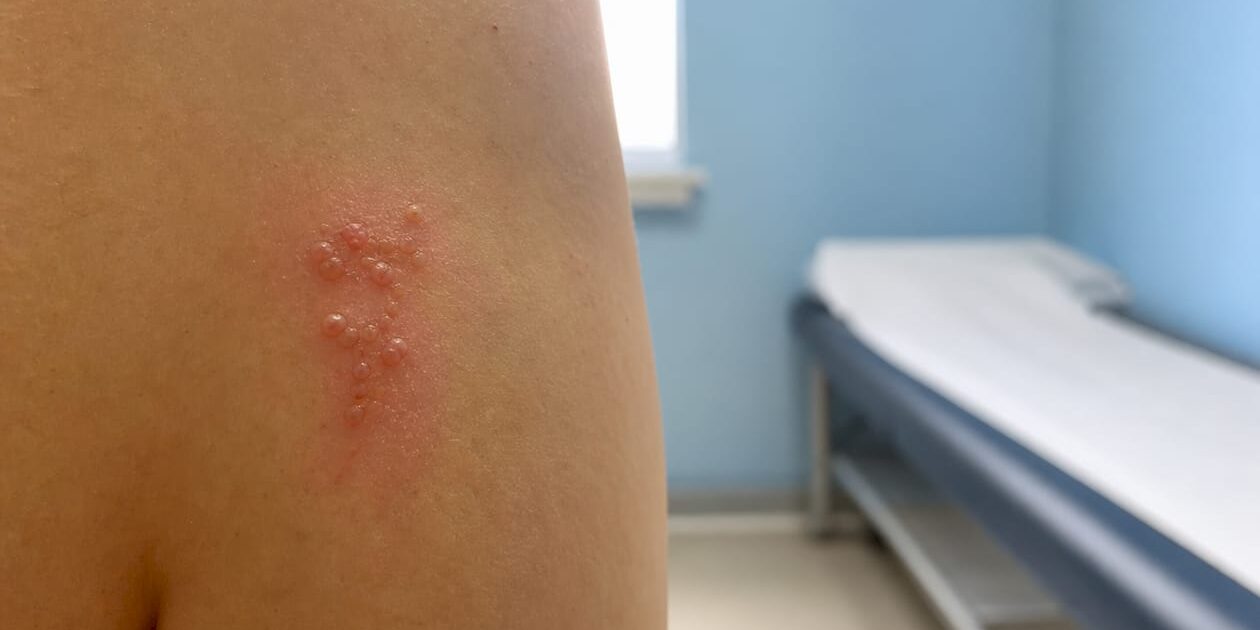
A clustered patch of small, fluid-filled blisters that started with tingling or burning points to herpes. A single firm, pus-filled bump that formed around a hair follicle points to a pimple. If the lesion is genital, painful, or keeps coming back, that’s your cue to get tested rather than guess.
- Herpes clue: clusters, prodrome tingling, ulceration after blisters rupture
- Pimple clue: solitary bump, whitehead center, improves with acne care
- Next step: genital or recurring sores warrant a clinical exam and lesion testing
Key Takeaways
Herpes presents as clustered blisters with a tingling prodrome and can only be confirmed by lesion testing, while pimples are single bumps that usually clear with basic self-care.
| Point | Details |
|---|---|
| Grouping is the key visual clue | Clusters of small blisters point to herpes; a single pus-filled bump points to a pimple. |
| Prodrome symptoms favor herpes | Tingling or burning before a lesion appears is not typical of pimples or folliculitis. |
| NAAT/PCR is the most reliable test | Swabbing an active lesion is more accurate than blood-based serology for confirming HSV. |
| Treatment paths differ completely | Pimples respond to warm compresses and antibiotics; herpes requires antiviral medication like acyclovir or valacyclovir. |
| Your Family Walk-In Clinic offers same-day answers | Confidential STD testing, lesion evaluation, and same-day treatment are available seven days a week. |
Table of Contents
- One-Minute Checklist: Is It Herpes or a Pimple?
- What Causes Pimples and Folliculitis?
- What Does a Herpes Outbreak Actually Look Like?
- How Do Clinicians Actually Diagnose These?
- Treatment: Antibiotics and Self-Care vs Antivirals
- How Contagious Is Each Condition?
- When Should You See a Doctor?
- Reducing Future Outbreaks and Transmission Risk
- What Happens During a Clinic Visit for a Suspected Lesion
- The Real Reason People Delay Getting Checked
- Get Tested or Treated Today at Your Family Walk-In Clinic
- Sources
- FAQ
One-Minute Checklist: Is It Herpes or a Pimple?
Before you dig into causes and treatments, run through this quick scan. It won’t replace a clinical exam, but it narrows the odds fast.
- Grouping: Herpes shows up in clusters of small blisters. A pimple is almost always a single, isolated bump.
- Fluid type: Clear fluid inside tiny blisters suggests herpes; a thick yellow or white center suggests a pimple.
- Texture: Herpes lesions feel soft and often burn or sting. Pimples tend to feel firm and only tender to the touch.
- What came before: Tingling, itching, or a burning sensation hours or days before the bump appeared leans herpes. Pimples usually just show up.
- Speed and timeline: A pimple typically peaks within a few days. Herpes follows a slower arc: blister, then shallow ulcer, then crust, often stretched over one to two weeks.
- Other symptoms: Fever, body aches, or swollen lymph nodes point toward a first herpes outbreak, not a pimple.
What Causes Pimples and Folliculitis?
A pimple is usually a blocked or infected hair follicle, a condition called folliculitis. Bacteria, most often Staphylococcus aureus, get trapped in the follicle along with oil and dead skin, and the result is inflammation you can see and feel.
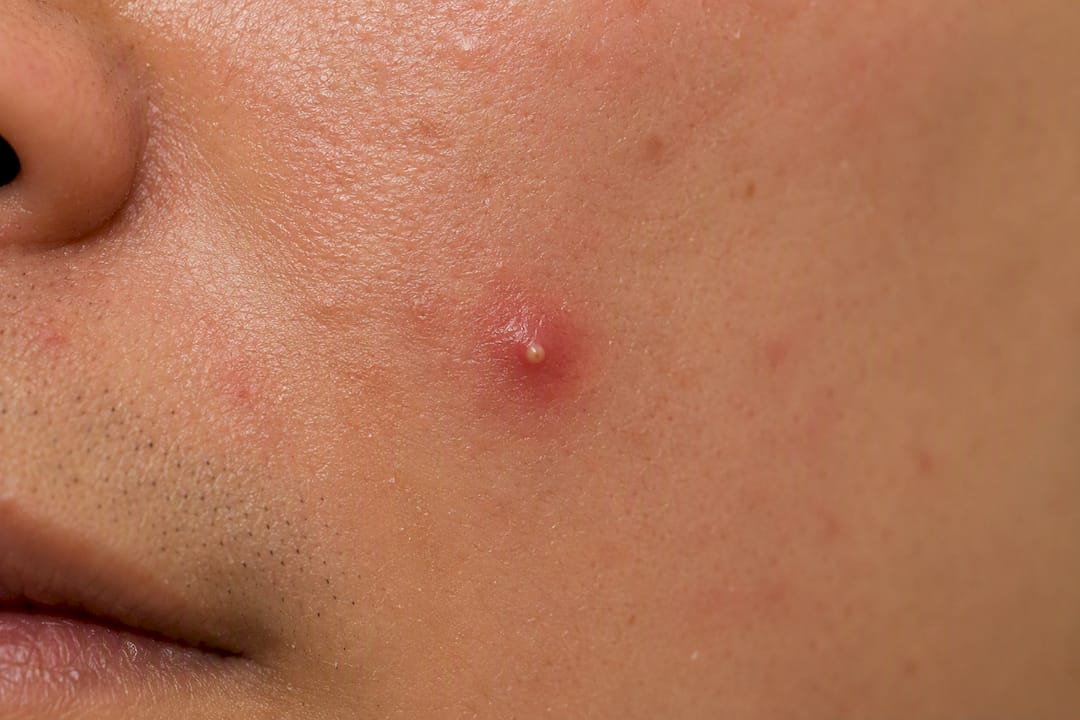
The classic pimple looks like a single, round, pus-filled bump with a whitehead center and a ring of local redness. It’s usually tender but not severely painful, and it stays put rather than spreading into a cluster.
Most pimples resolve within days to one to two weeks, often faster with warm compresses or topical treatment. Stubborn or recurring cases sometimes need a short course of oral antibiotics targeting Staphylococcus aureus, particularly when topical care alone doesn’t clear it.
- Single, firm, pus-filled bump
- Localized redness, mild to moderate tenderness
- Resolves in days to two weeks with basic care
Pro Tip: If a “pimple” keeps coming back in the same spot, doesn’t respond to normal acne care, or starts as a cluster instead of one bump, don’t assume folliculitis. Get it looked at.
What Does a Herpes Outbreak Actually Look Like?
Herpes simplex virus comes in two types, HSV-1 and HSV-2, and either one can infect the mouth or the genitals. HSV-1 is the usual cause of cold sores; genital herpes can come from either type, transmitted through skin-to-skin contact rather than through anything airborne or surface-based.
The visual signature is different from a pimple in almost every way. Instead of one bump, you get a tight cluster of small, fluid-filled blisters. Those blisters rupture within a few days into shallow, painful ulcers, which then crust over as they heal. The skin around them often feels soft and raw rather than firm.
The typical progression runs like this:
- Prodrome: tingling, itching, or burning at the site, sometimes hours before anything is visible
- Blister stage: small clusters form and fill with clear fluid
- Ulcer stage: blisters break open into shallow, tender sores
- Crusting and healing: sores scab over and resolve
A first genital herpes outbreak can run two to four weeks from onset to healing, and many people also experience fever, body aches, or swollen lymph nodes during that first episode. Recurrent outbreaks tend to be milder and shorter once the immune system has encountered the virus before.
- Clusters, not single bumps
- Prodrome symptoms often precede visible lesions
- Systemic symptoms more common with a first outbreak than with recurrences
How Do Clinicians Actually Diagnose These?
Looking at a lesion and guessing is exactly what this article is trying to help you avoid, and it turns out clinicians are told the same thing. History and visual exam alone can be inaccurate, because plenty of conditions beyond herpes and folliculitis can produce genital or oral sores.
For herpes, the most reliable test is a swab of an active lesion sent for NAAT or PCR testing, which detects the virus’s genetic material directly. Culture is an older alternative but less sensitive, especially once a sore has started healing. Blood-based serology tests exist too, but they have real limits: they can take weeks to turn positive after exposure, and in low-risk patients they carry a meaningful false-positive rate.
For a suspected pimple or folliculitis, diagnosis is usually clinical. If it’s not improving or keeps recurring, a bacterial culture can confirm the organism and guide antibiotic choice.
The CDC recommends testing anyone with symptoms, including genital, anal, or perianal ulcers, rather than relying on appearance alone. Routine screening isn’t recommended for people without symptoms.
- Active lesion present: swab for NAAT/PCR first
- No active lesion: serology, with timing caveats
- Persistent “pimple”: consider bacterial culture
Genital ulcers have more than one possible cause, and syphilis is one clinicians routinely rule out alongside herpes when a sore doesn’t have an obvious explanation.
Treatment: Antibiotics and Self-Care vs Antivirals
The two conditions don’t just look different, they’re treated completely differently, and using the wrong approach can make things worse.
For pimples and folliculitis, first-line care is simple: warm compresses to encourage drainage, topical antiseptics, and good hygiene. If it’s bacterial and not improving, a topical or short course of oral antibiotics usually clears it.
For herpes, treatment centers on oral antivirals like acyclovir and valacyclovir, which shorten outbreaks and ease symptoms. People with frequent recurrences are often candidates for daily suppressive therapy, which lowers the frequency of outbreaks and reduces transmission risk to partners.
- Pimples: warm compresses, topical antiseptics, antibiotics if bacterial and persistent
- Herpes: acyclovir or valacyclovir for outbreaks; suppressive therapy for frequent recurrences
- Both: over-the-counter pain relief and gentle wound care help symptom relief
- Avoid: popping a suspected herpes blister, and avoid harsh acne treatments on genital skin
Pro Tip: Antivirals work best when started early. If you suspect herpes, don’t wait out the weekend to see if it clears on its own. Faster evaluation means a faster start and a shorter outbreak.
How Contagious Is Each Condition?
Herpes spreads through direct skin-to-skin contact and can pass to a partner even when there’s no visible sore, since viral shedding can happen without symptoms. That’s part of why so many people carry the virus without realizing it.
Folliculitis, by contrast, isn’t a sexually transmitted infection. Bacterial folliculitis can occasionally spread through shared razors, towels, or close skin contact in gyms and locker rooms, but the transmission dynamics aren’t remotely comparable to HSV.
- Herpes: skin-to-skin contact, transmissible without symptoms
- Folliculitis: occasional spread via shared personal items, not sexual transmission
- Prevention: avoid sex during active outbreaks; condoms and dental dams lower but don’t eliminate HSV risk; keep skin clean and dry to prevent folliculitis
When Should You See a Doctor?
Some signs mean you shouldn’t wait to see what happens next.
- Severe pain, spreading redness, or fever
- Painful urination alongside genital sores
- Large or rapidly worsening ulcers
- Any sore on a newborn
- Recurrent sores or a sore that could affect a sexual partner
If you’re weighing whether a symptom needs prompt attention, walk-in urgent care is built for exactly this kind of same-day question mark.
Reducing Future Outbreaks and Transmission Risk
For herpes, the strongest levers are condom use, daily suppressive antivirals for people with frequent recurrences, avoiding sex during active outbreaks, and telling partners before it becomes an issue.
For folliculitis, prevention is more mechanical: reduce friction from tight clothing, keep the area clean and dry, treat ingrown hairs gently instead of picking, and don’t share towels or razors.
Stress and sun exposure are known triggers for oral HSV flare-ups, so managing both helps reduce recurrence.
- Herpes: condoms, suppressive therapy, partner communication
- Folliculitis: reduce friction, dry skin care, don’t share personal items
- Both: follow up with your clinician if symptoms shift or recur
Pro Tip: If your outbreaks are becoming more frequent rather than less, that’s worth a follow-up visit. Suppressive therapy dosing sometimes needs adjusting over time.
What Happens During a Clinic Visit for a Suspected Lesion
A typical visit starts with a visual exam, followed by a lesion swab for NAAT/PCR if there’s an active sore to sample. Depending on presentation, a clinician may start antiviral therapy the same day rather than waiting on results, or treat presumptively for a bacterial cause if that fits better.
Results timing varies by test, but symptom relief from antivirals or antibiotics often begins within a day or two of starting treatment. Bring a list of current symptoms, when they started, and any recent exposures. STD testing at a walk-in clinic is handled confidentially, so there’s no reason to put off getting checked.
- Visual exam plus swab testing when a lesion is active
- Same-day antiviral or antibiotic therapy often available
- Confidential STD testing, no long wait for an appointment
The Real Reason People Delay Getting Checked
Most people who put off getting a sore looked at aren’t avoiding treatment. They’re avoiding the conversation. That hesitation is understandable, but it’s also where the actual risk lives. A pimple that’s really herpes, left untreated and unexplained, keeps spreading to partners who have no idea anything is going on, because HSV doesn’t need visible symptoms to transmit.
Testing has gotten faster and less awkward than most people expect. A swab of an active lesion, run through NAAT or PCR testing, gives a clear answer without the multi-week wait that blood tests sometimes require. And if it does turn out to be herpes, it’s one of the most manageable chronic conditions in medicine: no cure, but antivirals that reliably shorten outbreaks and cut transmission risk.
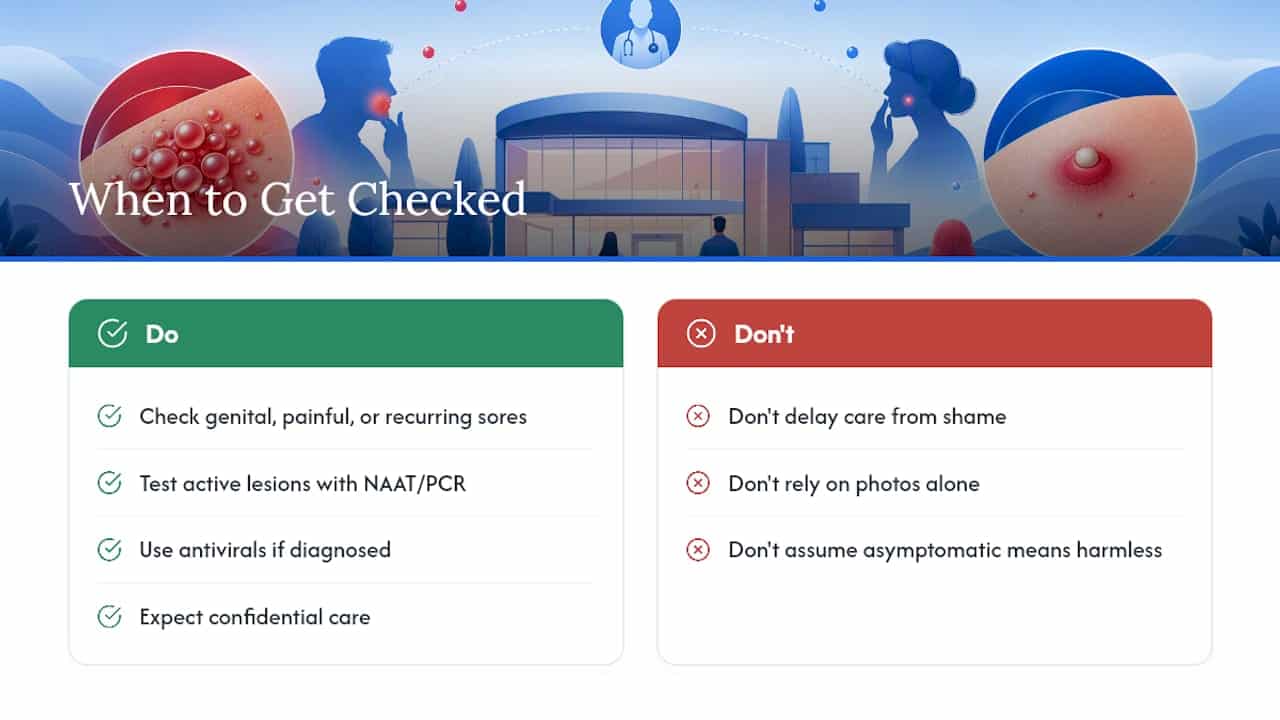
Guessing based on a photo or a symptom checklist online is a reasonable first step, not a final answer. If a sore is genital, painful, or keeps returning, get it seen. Confidentiality is standard, not a gesture.
Get Tested or Treated Today at Your Family Walk-In Clinic
If a sore has you second-guessing whether it’s a pimple or something that needs testing, Your Family Walk-In Clinic gets you answered the same day instead of making you wait days for an appointment slot. We offer confidential STD testing and treatment, same-day visits seven days a week, and on-site prescriptions for antivirals or antibiotics depending on what the exam and testing show.

We accept major insurance, Medicaid, and self-pay, so cost isn’t a reason to keep guessing. Whether it’s a suspected herpes outbreak, a stubborn pimple that won’t clear, or a symptom you shouldn’t ignore, walk in or call ahead. Visit our urgent care page to see today’s hours and get seen without the guesswork.
Sources
These sources informed the clinical guidance in this article:
- About Genital Herpes | Genital Herpes | CDC
This article is general information, not a substitute for advice from a qualified doctor. Consult a qualified healthcare professional about your own circumstances before acting on anything here.
FAQ
How do I know if it’s herpes or a pimple?
Check whether it’s a cluster of small blisters (herpes) or a single firm bump (pimple), and whether tingling preceded it. If it’s genital, painful, or recurring, a lesion swab for NAAT/PCR testing gives a definitive answer.
What triggers a herpes flare-up?
Common triggers include stress, illness, sun exposure for oral HSV, hormonal changes, and friction or irritation at the site of prior outbreaks.
How can I make herpes heal faster?
Starting antivirals like acyclovir or valacyclovir as soon as symptoms appear shortens outbreak duration; waiting reduces how well they work.
Is it herpes or something else?
Appearance alone can be misleading, since genital ulcers have several possible causes beyond herpes, including folliculitis and other infections. A clinical exam with lesion testing is the only reliable way to know for certain, and Your Family Walk-In Clinic offers same-day evaluation and testing for exactly this situation.