


Adolescents ages 12 to 18 should be screened for depression with a validated self-report tool such as the PHQ-A, and the USPSTF gives this a grade B. A positive screen is not a diagnosis. It calls for a clinical evaluation and a brief suicide safety assessment, ideally alongside a tool like the ASQ. If safety is a concern, call or text 988 right away.
TL;DR:
- A systematic review supports annual screening from age 12, while the USPSTF says evidence remains insufficient to recommend routine screening for children 11 or younger.
- The ASQ takes about 20 seconds and identified 97% of youth at risk in an NIMH study; depression screens can miss over 30%.
- A brief safety assessment sorts positive screens by urgency; imminent danger requires emergency care, while others need a written safety plan and prompt follow up.
- Clinics should establish referral routes and crisis plans before screening begins, so positive results can lead promptly to crisis support, psychiatric services, or hospital care.
Table of Contents
- Why do experts recommend screening teens for depression?
- Which screening tools are used for teens?
- How do you read the results and what happens after a positive screen?
- Why screen for suicide risk as well as depression?
- How does screening work in a real visit?
- What should parents and teens expect, and how do you prepare?
- What should you do right now if a teen may be in danger?
- A note from Lisa on why early action matters
- How we can help your teen get screened and supported
- FAQ
- Sources
Why do experts recommend screening teens for depression?
The U.S. Preventive Services Task Force recommends screening for major depressive disorder in adolescents ages 12 to 18, and it assigns the recommendation a grade B, meaning moderate net benefit. For children age 11 or younger, the same review found the evidence insufficient to recommend routine screening. A systematic review update backs annual screening for adolescents 12 and older and asks practices to choose tools with validation data and to set up referral and safety plans before they begin.
The American Academy of Pediatrics takes a similar view of what happens afterward. It advises treating a positive mental-health screen like any other medical finding: a clear clinical pathway, and a portion of the appointment redirected to the concern.
The numbers explain the urgency. In national survey data, 13.1% of people ages 12 and older had depression in a given two-week period, defined as a PHQ-9 score of 10 or higher.
13.1% of U.S. adolescents and adults age 12 and older had depression in a given two-week period (NHANES, August 2021 to August 2023). That is a common condition, and it often goes unnoticed at home.
The National Institute of Mental Health adds that 87.9% of people with depression report at least some difficulty with work, home, or social activities. Teens may also look different from adults: depression can show up as irritability or restlessness rather than sadness, as yoga for dealing with depression describes.
Screening finds more teens who need help, but it is only the first step. Diagnosis and treatment come afterward.
Which screening tools are used for teens?
Several validated instruments are in everyday use. Here is what each one does and where it fits.
- PHQ-A (PHQ-9 modified for teens): A nine-item self-report questionnaire that asks about the past two weeks. It includes an item on thoughts of self-harm or suicide, and it is common in primary care visits.
- Severity Measure for Depression, Child Age 11–17: An adaptation of the PHQ family that clinicians use to gauge severity and to track change during treatment.
- Columbia Depression Scale: A depression measure listed in the systematic review literature alongside the PHQ-A and the Mood and Feelings Questionnaire (MFQ).
- Columbia Suicide Severity Rating Scale (C-SSRS): A more detailed assessment of suicidal ideation and behavior, used when a brief question screen is positive or when a clinician needs a closer look.
- Ask Suicide-Screening Questions (ASQ): Four yes/no questions that take about 20 seconds, covered in more detail below.
Most of these tools are brief, and the teen may complete them on paper or on a tablet. A nurse, medical assistant, or clinician then reviews the answers. The PHQ-A and severity measure are intended for teens, though clinicians should check each tool’s guidance for its appropriate age group. The ASQ is intended for use in medical settings with youth.
The tools differ in purpose, so the choice matters. A depression questionnaire helps assess symptoms. A suicide-risk tool helps assess whether a teen may be in danger. Clinicians can choose tools suited to the teen’s needs. Whichever tool a practice picks, the review of validated scales points to the same rule: pick one with validation data and have a referral plan ready before you hand it to a single patient.
How do you read the results and what happens after a positive screen?
The PHQ-9 and its teen version produce a score that clinicians can use to assess symptoms. National surveillance studies, including the CDC analysis cited above, treat a score of 10 or higher as depression. That cutoff is a research definition. A clinician still has to talk with the teen, ask about daily life, and make the diagnosis.
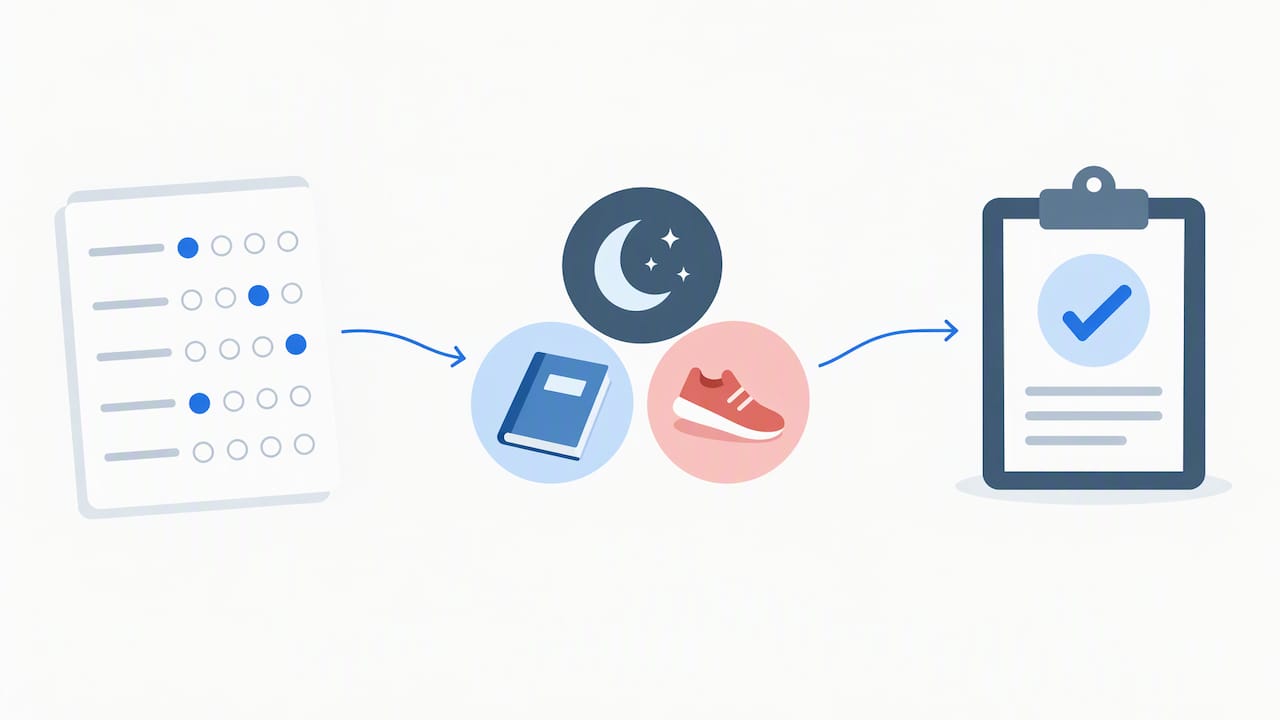
When a screen is positive, a brief suicide safety assessment (BSSA) is the triage step. Its job is to sort teens into two groups: those who need emergency care now and those who can safely go to non-urgent follow-up. NIMH’s outpatient pathway states plainly that screening is only the first step and that a clinical evaluation must follow.
Typical next steps run in this order:
- The clinician completes the BSSA and decides whether risk is imminent.
- If risk is imminent, emergency services are activated and the teen is not left alone.
- If risk is not imminent, the family and clinician build a written safety plan together.
- The clinic schedules prompt behavioral-health follow-up, such as therapy.
- A clinician or psychiatrist considers whether medication belongs in the treatment plan.
Pro Tip: Ask the clinician before you leave the visit, “Who will follow up, and how will we stay in touch?” A clear follow-up plan helps keep a positive screen from slipping through the cracks.
If you are weighing options for therapy, our guide on how to choose a therapist walks through what to ask.
Why screen for suicide risk as well as depression?
A depression questionnaire alone can miss teens in danger. Standard depression tools can miss over 30% of pediatric patients at risk for suicide, which is why a dedicated suicide-screening tool is advised alongside them.
Standard depression tools can miss over 30% of young patients at risk for suicide. A short, separate suicide question set closes that gap.
Two tools do most of the work here:
- ASQ: Four yes/no questions in about 20 seconds. In an NIMH study, it identified 97% of youth at risk, and it is designed for medical settings.
- C-SSRS: A deeper, structured assessment of ideation and behavior, used after a positive brief screen or when a clinician wants more detail.
If a teen answers yes to any ASQ question, the response should be swift and calm:
- Complete the BSSA before the teen leaves.
- Call or text 988 for immediate support.
- Go to emergency care when risk is imminent.
- Remove or lock up lethal means at home, including medications and firearms.
Each step matters on its own. Taking away the means gives a teen in crisis more time, and time is often what keeps a crisis from becoming a tragedy.
How does screening work in a real visit?
Most teens meet screening at their yearly preventive visit, starting at age 12. It can also happen at a sick visit or through a school-based program. A teen might complete a form on a tablet in the waiting room, fill out a paper questionnaire, or answer questions from the clinician directly.
For most short tools, the questionnaire takes a short time to complete, according to MyHealthfinder, which also notes screening can be part of a yearly checkup. Our overview of common health screenings in primary care shows where this fits among other well-visit checks.
The most important operational step happens before any screening starts. A practice needs referral pathways and a crisis plan in place first, so a teen with a positive result can be routed to crisis support, psychiatric services, or hospital care without delay. Asking a question you cannot answer with help is worse than not asking.
What should parents and teens expect, and how do you prepare?
Start the conversation at home. A simple line works: “Doctors ask every teen about mood at checkups, the same way they check blood pressure.” That frames screening as routine rather than as a judgment.
Questions worth asking the clinician:
- What tool do you use, and does it include questions about self-harm?
- What will you share with me, and what stays between you and my teen?
- If the screen is positive, what are the next steps?
Confidentiality rules for minors vary, so ask the clinic to explain how they handle privacy and when they must involve a parent. Bring notes on sleep changes, appetite, irritability, withdrawal, and any drop in grades. Our article on signs of teen depression lists what to watch for. Parents are essential partners in safety planning, so expect to be part of the plan.
Go to emergency care or call 988 when a teen talks about suicide, has a plan, or cannot stay safe. For persistent low mood or loss of interest, contact a healthcare professional promptly for guidance.
Pro Tip: Write down what you have noticed before the visit. Teens often downplay symptoms in the exam room, and specific examples help the clinician.
What should you do right now if a teen may be in danger?
Immediate steps, in order of urgency:
- Call, text, or chat 988. The 988 Suicide & Crisis Lifeline is free, confidential, and available around the clock for suicidal crisis and mental-health distress.
- Stay with the teen. Do not leave someone in crisis alone.
- Secure lethal means. Lock up or remove medications and firearms.
- Write a basic safety plan. List warning signs, calming steps, trusted people to contact, and crisis numbers.
- Book follow-up care. NIMH’s guide to finding help explains that primary care providers can perform initial screening and refer you to specialists.
A note from Lisa on why early action matters
I have seen how much a single honest conversation can change a teen’s path. At our clinic, we want screening to feel ordinary, quick, and safe, and we make sure referral pathways are ready before a family ever needs them. Screening is the start of care, not the end of it, and early treatment improves outcomes. If something about your teen’s mood worries you, do not wait for a perfect moment. Reach out to us, or to your own primary care team, and let us help you take the next step together.
— Lisa
How we can help your teen get screened and supported
We offer appointments, so a worry does not have to wait until next month. Our primary care team can build screening into a visit, talk through the results with you and your teen, and coordinate referrals and follow-up. When a concern needs prompt in-person attention, our urgent care is open without a long wait. We also offer therapy and counseling for children and adults, in the office or by virtual session. Call us or book online today to schedule your teen’s screening.
This article is general information, not a substitute for advice from a qualified doctor. Consult a qualified healthcare professional about your own circumstances before acting on anything here.
FAQ
How can a teen get tested for depression?
A teen can be screened at a primary care visit with a short questionnaire such as the PHQ-A. The clinician reviews the answers, asks follow-up questions, and decides whether a full evaluation is needed. Many practices include screening as part of a routine checkup.
Is there a PHQ-9 for kids and teens?
Yes. The PHQ-A is the PHQ-9 modified for teens, and the Severity Measure for Depression, Child Age 11–17, is a related adaptation. Both ask about symptoms over a recent period. For children under 12, the USPSTF found the evidence insufficient to recommend routine depression screening.
How do you assess for depression in teens?
Clinicians combine a validated questionnaire with a conversation about mood, sleep, appetite, school, and safety. A positive screen leads to a clinical evaluation. If suicide risk shows up, a brief suicide safety assessment follows.
What are common mood disorders in teenagers?
Major depression is the most common concern in screening guidelines. Other mood conditions exist, and a clinician sorts them out during a full evaluation. NIMH’s teen depression guide explains symptoms to watch for and treatment options, including therapy, medication, or both.