

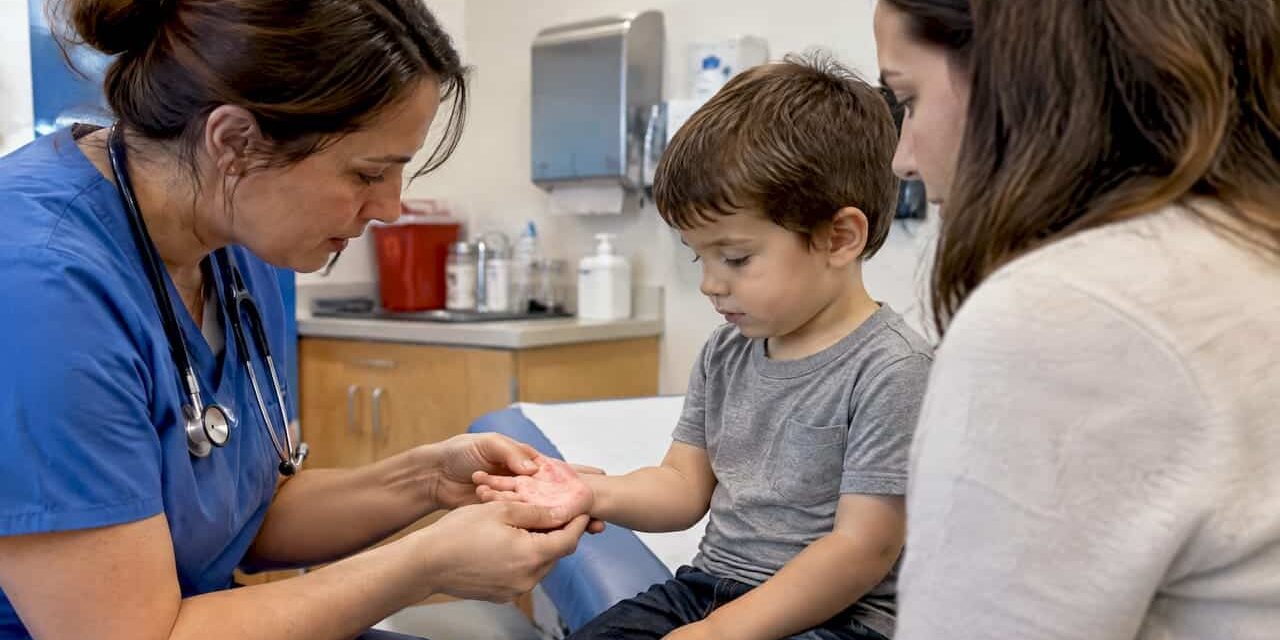
Go to urgent care now if your child shows signs of dehydration, a prolonged fever, mouth pain so severe they refuse fluids, or unusual lethargy. Head to the emergency room for trouble breathing, a stiff neck, seizures, or unresponsiveness. Outside of those signs, most hand, foot, and mouth disease cases clear up in 7 to 10 days with rest, fluids, and pain control at home.
TL;DR:
- Children with mouth pain preventing fluid intake or signs of severe dehydration should be evaluated at urgent care immediately.
- Persistent fever beyond three days or spikes despite medication, and severe lethargy, are clear indications for urgent care visit.
- Signs of trouble such as trouble breathing, seizures, or unresponsiveness demand emergency room care without delay.
- Most cases resolve in 7 to 10 days with supportive home care focused on pain relief and hydration, especially in mild cases.
- Hand hygiene and surface cleaning are essential to prevent the spread, but supportive care remains the primary treatment since no antiviral exists.
Table of Contents
- Recognizing HFMD: Rash, Mouth Sores, Fever, and Typical Timeline
- Deciding Now: Urgent Care, the ER, or Home Care
- What to Expect at Urgent Care: Evaluation, Supportive Treatments, and Referral Thresholds
- Practical Home Care and How to Stop the Spread
- Our Approach to Pediatric HFMD Visits
- What Parents Often Get Wrong About HFMD
- Practical Next Steps: Book Urgent Care With Us
- FAQ
- Sources
Recognizing HFMD: Rash, Mouth Sores, Fever, and Typical Timeline
Hand, foot, and mouth disease usually starts with a mild fever, followed by painful sores in the mouth, often toward the back of the throat. A rash of small blisters tends to follow on the palms and soles, and sometimes spreads to the buttocks or limbs. The combination of mouth pain and skin blisters is what separates HFMD from a typical cold or teething discomfort.
The virus incubates for several days before symptoms appear, and your child is usually most contagious during the first week of illness, according to the CDC. Most children feel better within 7 to 10 days without specific treatment, since supportive care is the main approach doctors recommend, per the CDC.
A few things to watch for as you track the illness:
- Mouth ulcers, often painful and located near the throat, can make swallowing difficult.
- Blisters on palms and soles are usually small and may or may not cause itching.
- Fever typically appears first and softens within a few days.
- Infants and immunocompromised children may need earlier evaluation, since they tolerate dehydration and illness less predictably than older kids.
Deciding Now: Urgent Care, the ER, or Home Care
When your child is uncomfortable and you are not sure where to turn, a quick mental checklist helps more than panic does. Start with the most serious signs first, then work down.
- Go to the emergency room immediately if your child has a stiff neck, trouble breathing, a seizure, or is unresponsive or very difficult to wake.
- Go to urgent care today if you notice dehydration signs such as no urination for 6 to 8 hours or longer, a very dry mouth, or no tears when crying, according to CHOP.
- Go to urgent care today if fever has lasted more than three days or keeps spiking despite appropriate doses of acetaminophen or ibuprofen.
- Go to urgent care today if mouth pain is so severe your child refuses all liquids, since that is the point where dehydration risk climbs quickly.
- Go to urgent care today if your child seems unusually lethargic, confused, or simply “not themselves” even after a fever-reducing medication.
- Manage at home if your child is still playful between fever spikes, drinking reasonably well, and responding normally to you.
If you are on the fence, a quick call to your pediatrician or a same-day urgent care visit can settle it faster than waiting it out.
Pro Tip: A child’s behavior after fever medicine wears off tells you more than the number on the thermometer. If they perk up and play, that is reassuring. If they stay listless, treat that as your signal to get evaluated.
What to Expect at Urgent Care: Evaluation, Supportive Treatments, and Referral Thresholds
Diagnosing HFMD is usually straightforward: a provider examines the mouth, hands, and feet and asks about the fever timeline. Lab testing is rarely necessary unless symptoms look unusual or severe, since the visual pattern is distinctive enough on its own.
What a visit actually involves tends to include:
- Weight-based dosing guidance for acetaminophen or ibuprofen to get mouth pain under control.
- Oral rehydration coaching, including which fluids and feeding strategies work best when swallowing hurts.
- A hands-on dehydration check, looking at skin, eyes, and mouth moisture rather than guessing from symptoms alone.
- Short-term hydration support in the clinic when a child needs a little extra help before heading home.
There is no antiviral cure for HFMD, and no visit changes that. What urgent care offers is relief and close monitoring, not a shortcut around the illness itself, as a peer-reviewed review on HFMD management confirms. When dehydration is severe, or there are signs of neurologic or respiratory trouble, the appropriate next step is transfer to an emergency department for IV fluids or further workup, which a visit will arrange rather than delay.
Practical Home Care and How to Stop the Spread
Most of the work in treating HFMD happens at home, and the two priorities are pain control and hydration. Acetaminophen or ibuprofen dosed by your child’s weight helps enough that they can keep drinking, which matters more than almost anything else in preventing a trip to urgent care, according to Mayo Clinic. Never give aspirin to a child with a viral illness, since it carries a rare but serious risk of Reye’s syndrome.
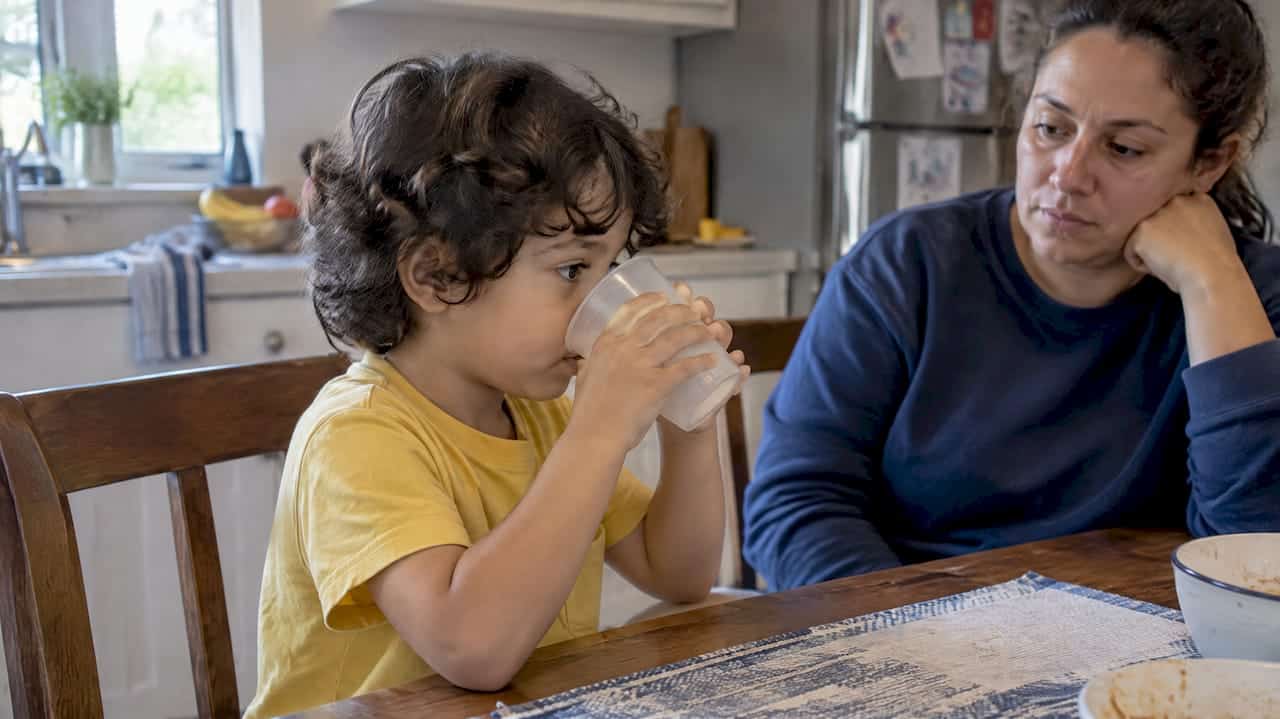
One sign worth knowing: the capillary refill test, pressing a thumbnail until it pales and watching it return to pink, is a quick home check some parents use alongside urine output and tear production to gauge hydration.
For keeping fluids up:
- Offer small, frequent sips rather than large amounts at once, since big gulps are harder on a sore mouth.
- Try oral rehydration solutions or a diluted sports drink when plain water is not cutting it, following CHOP’s guidance on oral rehydration.
- Popsicles and cold foods soothe mouth pain better than warm meals.
- Skip citrus, spicy, or salty foods, since they sting broken skin in the mouth.
On the contagion side, the virus spreads through respiratory droplets, blister fluid, and stool, and contagion is highest in that first week, per the CDC. Frequent handwashing and wiping down shared surfaces cut transmission at home and in daycare settings. Most schools and daycares allow return once your child is fever-free and acting like themselves again, even if a few mouth sores linger, according to Mayo Clinic. If you are looking for mouth-soothing ideas beyond medication, this roundup of child-safe teething and soothing remedies covers cool, gentle options that overlap well with HFMD mouth care.
Our Approach to Pediatric HFMD Visits
We see hand, foot, and mouth disease regularly in children brought in by worried parents, and our focus stays on the same two things every time: pain control and hydration status. Here’s what a visit with us typically looks like:
- We offer urgent care appointments seven days a week, with extended hours to provide timely access to care.
- We evaluate dehydration hands-on, checking skin, mouth moisture, and overall behavior rather than relying on fever alone.
- We treat both adults and children in the same welcoming space, which matters when siblings are involved.
- We provide clear guidance on medication dosing, fluid strategies, and what to watch for once you are back home.
- When a child needs more than supportive care, such as IV fluids or further workup, we refer promptly rather than letting symptoms sit untreated.
Our providers bring decades of combined experience treating common pediatric illnesses, and we built our hours and same-day model specifically so families do not have to choose between waiting it out and sitting in an emergency room for something manageable.
What Parents Often Get Wrong About HFMD
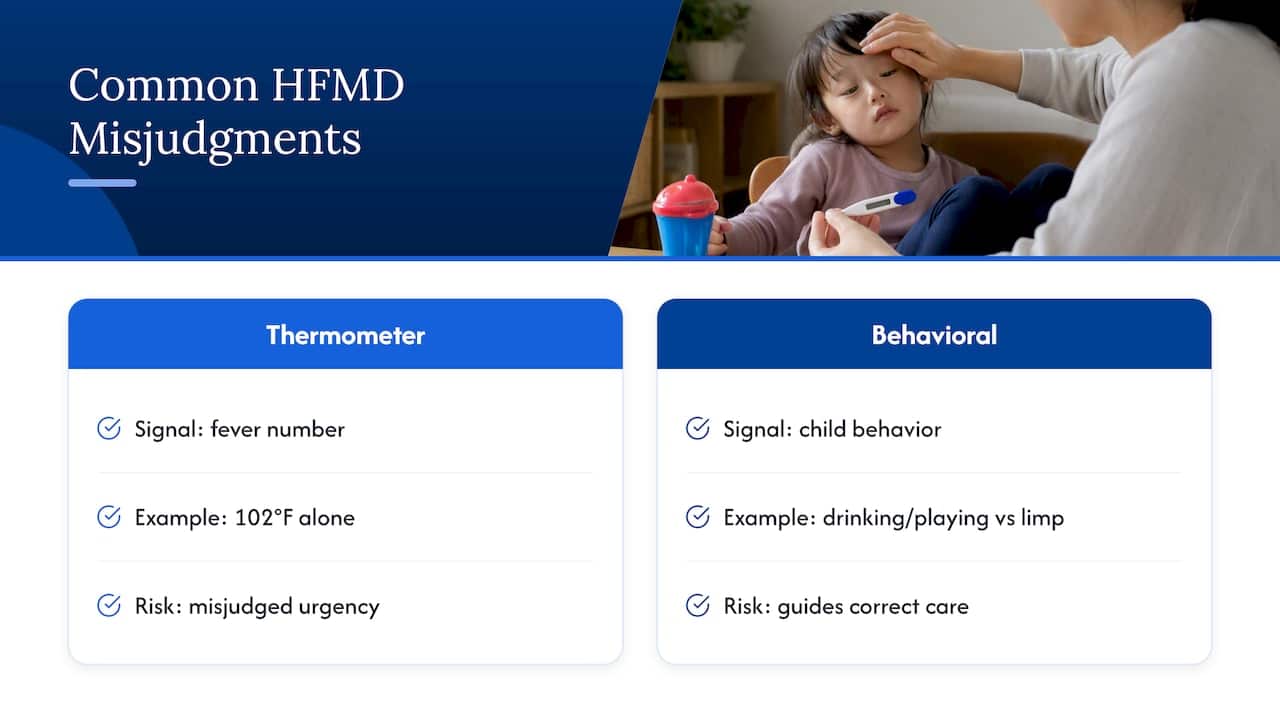
The instinct to treat every fever as an emergency is understandable, but it misses the more useful signal: behavior. A child with a 102°F fever who is still drinking, playing, and engaging with you is in a different category than one with a milder fever who has gone quiet and limp. Chasing the thermometer number instead of watching how your child acts between fever spikes is the most common mistake we see, and it cuts both ways. Some parents wait too long because the fever “isn’t that high,” while others rush in the moment a number looks scary, even when the child is otherwise fine.
The other place conventional advice falls short is mouth pain. Parents often treat it as a secondary annoyance next to the rash, when it is actually the main driver of dehydration risk. If your child cannot swallow because their mouth hurts too much, that is the practical threshold for urgent care, full stop. Prioritize pain control early, track fluid intake honestly, and let behavior, not the thermometer, guide your next move.
— Lisa
Practical Next Steps: Book Urgent Care With Us
If your child is showing dehydration signs, a fever past three days, or mouth pain bad enough to stop them from drinking, we offer same-day urgent care for exactly this kind of situation, seven days a week from 8 AM to 8 PM.

Before you come in, a little preparation speeds things up:
- Bring insurance information or ID, and note your child’s current medications.
- Have a rough timeline of symptoms, including when the fever started and when the rash appeared.
- Know your child’s approximate weight, since it guides medication dosing.
A visit with us includes a hands-on exam, dehydration assessment, and clear dosing and hydration guidance to take home. If your child needs more advanced care, such as IV fluids, we will refer you to the appropriate next step without delay.
This article is general information, not a substitute for advice from a qualified doctor. Consult a qualified healthcare professional about your own circumstances before acting on anything here.
FAQ
Can urgent care do anything for hand, foot, and mouth disease?
Yes. Urgent care can confirm the diagnosis through a physical exam, check for dehydration, and give you specific guidance on pain medication dosing and fluid strategies. There is no antiviral cure, but supportive care at urgent care often prevents a worse outcome at home.
Can HFMD heal in three days?
Most cases take longer: recovery typically takes 7 to 10 days with supportive care, according to the CDC. Fever and the worst mouth pain often ease within the first few days, but the rash and some mouth discomfort can linger beyond that.
When should I go to the ER for hand, foot, and mouth disease?
Go to the emergency room if your child has trouble breathing, a stiff neck, a seizure, or is unresponsive or very hard to wake. Severe dehydration that is not improving, along with confusion or extreme lethargy, also warrants emergency evaluation rather than a wait-and-see approach.
What kills the HFMD virus?
There is no specific antiviral medication that kills the virus, and treatment focuses on supportive care like pain control and hydration while the immune system clears the infection, per a peer-reviewed review. Good hand hygiene and cleaning surfaces help prevent the virus from spreading to others, though they do not treat an existing infection.
Sources
- Hand, Foot, and Mouth Disease (HFMD) — CDC
- What to do if your child has hand, foot and mouth disease — Children’s Hospital of Philadelphia (CHOP)
- Hand-foot-and-mouth disease — Mayo Clinic (diagnosis & treatment)
- Current status of hand-foot-and-mouth disease — PMC (peer-reviewed review)